

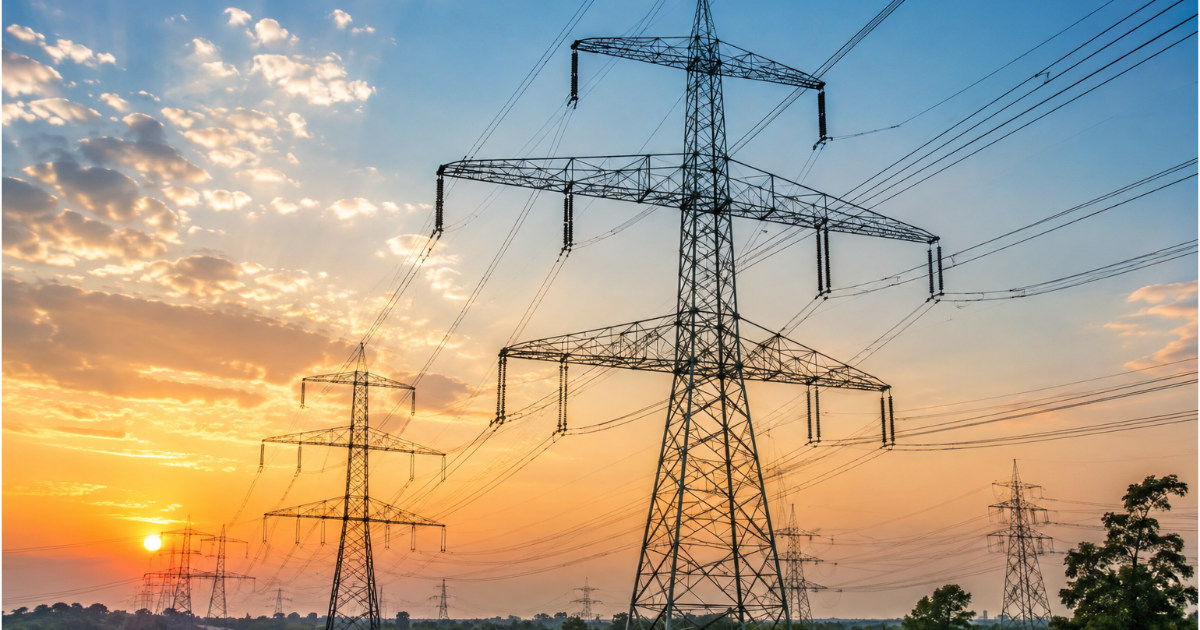
Bajel Projects Ltd has strengthened its presence in India’s high-voltage transmission sector with a transmission line contract valued at more than Rs 600 crore under the Western Region–Eastern Region Inter-Regional Network Expansion Scheme – Part A.
The project involves the construction of 765kV double-circuit transmission lines linking Raigarh (Tamnar), Raigarh (Kotra) and Dharamjaygarh in Chhattisgarh. The infrastructure will enhance the transfer capacity between the Western and Eastern regions and support the evolving requirements of India’s national power grid.
The order adds to Bajel Projects’ growing portfolio of large-scale transmission projects and reinforces its capabilities in executing high-voltage infrastructure. The company undertakes engineering, procurement and construction activities for utilities, government organisations and private-sector infrastructure developers across India and international markets.
The project is part of the wider expansion of India’s inter-regional transmission network, which is becoming increasingly important as electricity consumption rises and renewable energy generation expands across geographically dispersed locations. Strengthening transmission corridors will help facilitate the movement of electricity from generation-rich regions to major demand centres.
Bajel Projects has developed expertise in complex power transmission projects involving high-voltage systems, extensive field execution and integrated project management. Its capabilities also extend into the new energy sector, positioning the company to participate in the infrastructure development associated with India’s changing power landscape.
The company was earlier part of Bajaj Electricals Ltd’s EPC business before becoming an independent entity within the Bajaj Group. With more than two decades of experience in power infrastructure, Bajel Projects continues to focus on transmission and related infrastructure projects.
The latest contract is expected to further strengthen the company’s transmission business as India accelerates investment in grid infrastructure to accommodate rising power demand, additional generation capacity and the increasing integration of renewable energy into the electricity network.


