

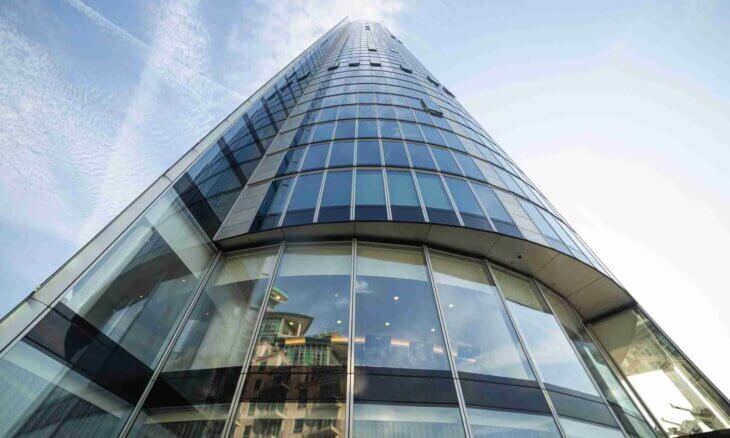
Haryana is set to redefine India’s urban skyline with plans to construct the country’s tallest building as the focal point of its ambitious 1,000-acre Global City project near Gurugram. The landmark development, coming up along the Dwarka Expressway, is currently at the proposal stage, with the Request for Proposal (RFP) process yet to move into bidding.
State cabinet minister Rao Narbir Singh confirmed that the iconic tower is central to the vision of positioning Global City as an internationally recognised business and lifestyle destination. The proposed structure is envisaged as a mixed-use development featuring premium office spaces, global corporate headquarters, hospitality assets, observation decks and public engagement areas.
Phased Development Underway
While the tallest tower remains in the planning phase, groundwork for the larger Global City project has already begun. Phase 1, spanning 587 acres in Sector 37B near Dwarka Expressway, is witnessing construction of internal roads, drainage networks and water supply infrastructure.
Spread across 1,000 acres, the project is designed as a comprehensive mixed land-use development integrating residential, commercial, institutional, sports and leisure components. Once completed, it is expected to emerge as a major financial and innovation hub within the National Capital Region (NCR).
Scale, Investment and Economic Impact
With a projected built-up area exceeding 120 lakh square metres and a Floor Area Ratio (FAR) of 3.0, the Global City is expected to attract investments of nearly ₹10 lakh crore. The development is estimated to generate over 5.2 lakh jobs and host more than 200 multinational corporations.
Officials indicate that the project could significantly enhance Gurugram’s economic profile, with IT and ITeS exports projected to rise by nearly 30 per cent. The city is planned to accommodate a residential population of approximately 1.8 lakh people, alongside a floating workforce of over 5.2 lakh.
Sustainability at the Core
A defining feature of the Global City is its emphasis on sustainability and climate responsiveness. Over 56 per cent of the total area has been allocated to open and green spaces, with plans to plant more than one lakh trees. The design aims to reduce surface runoff by 55 per cent and lower ambient temperatures by up to five degrees Celsius, contributing to a favourable urban microclimate.
Green corridors, pedestrian-friendly streets, cycling infrastructure and no-vehicle zones will shape mobility within the city. Public transport systems such as Light Rapid Transit (LRT) and electric buses will complement this approach, ensuring most daily needs are accessible within a 15-minute walking radius.
Buildings across the development will adhere to global green standards including LEED, GRIHA and IGBC certifications. Renewable energy solutions—ranging from rooftop solar systems and solar-powered street lighting to smart metering and bio-waste reuse—are embedded into the master plan.
Global Benchmarking and Future Vision
Drawing on urban planning models from Singapore, Japan, Dubai and European cities, the Global City aims to deliver world-class infrastructure with uninterrupted power and water supply. The proposed tallest tower is intended not just as a commercial asset but as a symbolic statement of Haryana’s economic ambition and urban transformation.
With trunk infrastructure work already underway and about 20 per cent of Phase 1 completed, the project is progressing in a structured manner. Once realised, the Global City—with its iconic skyline anchor—could position Gurugram among leading global urban centres.