

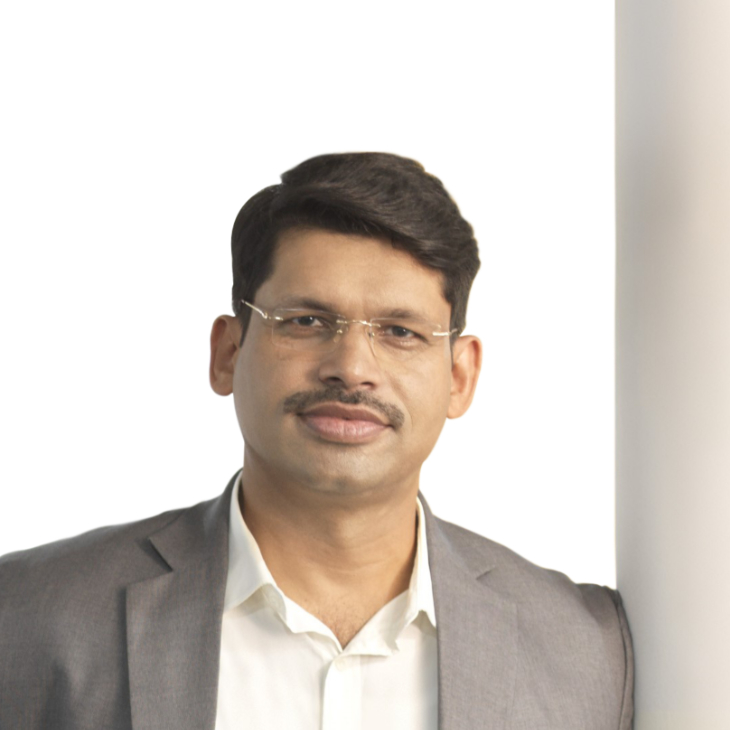
With deeper dealer expansion, stronger customer engagement, and a push toward electrification and inclusion—especially through initiatives empowering women in technical roles—Volvo CE India aims to convert innovation into real-world impact. Against this backdrop, Dimitrov Krishnan, Managing Director, Volvo Construction Equipment India, offered Construction Business Today insights into the company’s participation at EXCON 2025.
How does Volvo CE measure the business and brand value created through EXCON, and what specific outcomes in terms of customer engagement, dealer growth, or partnerships are you targeting?
The brand value created by EXCON is definitely very valuable for us, EXCON being the biggest CE event in South Asia. We assess commercial impact by capturing qualified leads, changes from demo to order, and new partnerships, whether that be finance, EaaS (Equipment as a Service), or technology. Significant indicators are dealer growth and movement into more Tier 2 and Tier 3 cities. Brand building is gauged by media reach and product demo participation, as well as the number of pilots or site trials we start from it. This year, we want to penetrate deeper through our dealerships, capture more export inquiries for our India made equipment, and develop partnerships that advance the electrification and digital systems agenda. Altogether, EXCON aids in converting brand engagement into market momentum and trust from customers. Each time we do the event it is an analog of customer success and innovation, therefore providing us genuine evidence to adapt the right strategy and product roadmap.
After piloting heavy electric machines such as the EC500 Electric and L120 Electric, what next steps can we expect in terms of electric or hybrid launches tailored for Indian site conditions and power infrastructure?
Our pilots with the EC500 Electric and L120 Electric have given us strong confidence in the potential for heavy electric machines in India, and the next steps are now focused on bringing solutions that are truly suited to Indian operating conditions. We are working on electric and hybrid models that can handle longer duty cycles, high temperatures, and evolving charging infrastructure, while also building the right ecosystem around them, whether it’s mobile charging, energy management, or renewable solutions. You can expect a gradual but steady rollout of electric and hybrid offerings that are technologically advanced, practical for real-world sites, and firmly aligned with our “Built for Bharat” vision.
How is Volvo CE embedding circularity — such as used-machine exchange, remanufacturing, or battery lifecycle management — into its India operations and product ecosystem highlighted at EXCON 2025?
Circularity is central to our strategy at Volvo CE. Through remanufacturing, component refurbishment, and our strengthened used-equipment ecosystem, including our partnership with Shriram Automall (SAMIL) for certified resale, we extend machine life, reduce waste, and enhance value retention for customers. Supported by renewable energy use and greater localisation at our Bangalore plant, we are lowering our overall environmental footprint. At EXCON 2025, we showcase circularity in action with remanufactured components and efficient powertrain solutions that prove sustainability and economic value can go hand in hand.
Volvo CE globally champions gender diversity and inclusion in manufacturing and construction. How is Volvo CE India advancing women’s participation across plants, dealerships, and operator training initiatives?
Volvo CE India strives to foster a more inclusive and diverse ecosystem through recruitment, skill development, and industry partnerships. The Iron Women programme, launched in March 2025, trains women to become certified operators and technicians through a combination of classroom learning, site exposure, and mentoring. We are also expanding these initiatives through dealer-led training hubs designed to empower women to advance their careers through inclusive hiring practices. Our goal is to increase the accessibility of women to skilled technical positions throughout the value chain, from assembly to after-sales. Our broader vision is to normalise the participation of women in heavy industry, as a standard and natural part of future-ready manufacturing. By creating stronger links between training and employment, we aim to demonstrate that inclusion is not just a sign of social progress, it is an investment in the industry’s long-term capability and resilience.