

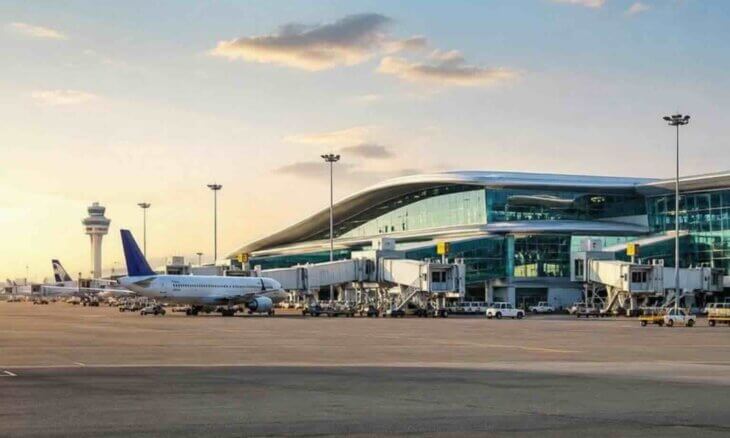
India’s airport infrastructure sector is poised for a major investment cycle, with total investments expected to reach nearly Rs 4.2 trillion (USD 46.7 billion) by 2029, according to a new report by Brickwork Ratings. The projected investments comprise approximately Rs 3.7 trillion in announced and ongoing projects as of FY26, along with another Rs 0.5 trillion worth of projects expected to be commissioned by 2029.
The report highlights that the sector is undergoing one of its most significant expansion phases, driven by increasing passenger demand, regional airport development, and large-scale terminal upgrades. With more than 65 airport projects announced and an expected capacity addition of 500–600 million passengers, India’s aviation infrastructure is set to play a pivotal role in supporting the country’s long-term economic growth.
According to Niraj Rathi, Senior Director – Ratings, Brickwork Ratings, domestic air traffic is expected to grow by 8–10%, supported by robust demand from Tier-2 cities and the commissioning of major greenfield airports such as Navi Mumbai and Jewar. While international traffic remains subdued due to geopolitical tensions, route restrictions and elevated fuel prices, the agency expects a recovery during the second half of FY27 as airlines expand schedules for the winter travel season and new airport assets become fully operational.
The report notes that airport operators recorded strong operating revenue growth in FY26, supported by record passenger traffic and tariff revisions. Revenue momentum is expected to continue into FY27 as expanded terminal capacity begins contributing additional aeronautical and non-aeronautical revenues. Operating margins are projected to improve from 44.4% in FY25 to 53.8% in FY26, further rising to 54.5% in FY27, aided by higher retail income and increased passenger throughput.
Brickwork Ratings also points to an improving financial profile across the sector. The industry’s debt-to-equity ratio is expected to decline from 3.8 in FY25 to 3.3 in FY26, with a further reduction to 2.7 in FY27 as airport operators use growing cash flows to repay construction-related borrowings. The agency believes this deleveraging, combined with predictable passenger-linked revenues, supports a stable credit outlook for the sector despite significant capital expenditure commitments.
Government initiatives continue to provide a strong foundation for future growth. The UDAN regional connectivity scheme, with a planned capital outlay of Rs 288 billion by FY36, along with the government’s policy allowing 100% FDI in greenfield airport projects, is expected to accelerate airport development across the country.
However, the report cautions that several challenges remain. Persistent consolidated net losses across the sector, volatility in aviation turbine fuel (ATF) prices, high maintenance costs, and lengthy regulatory processes for tariff approvals continue to impact profitability. These factors could influence the pace of investment returns despite healthy passenger growth.